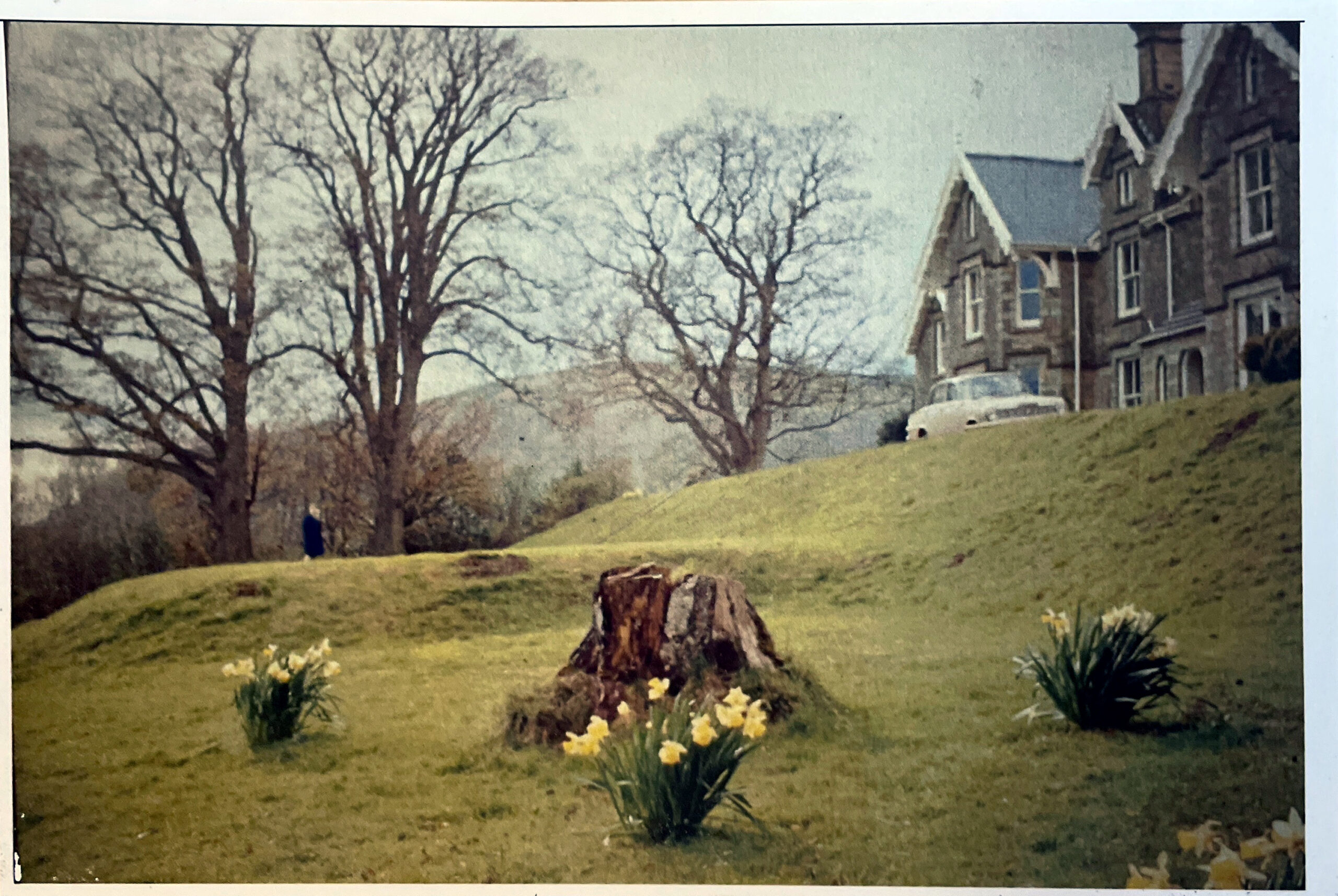
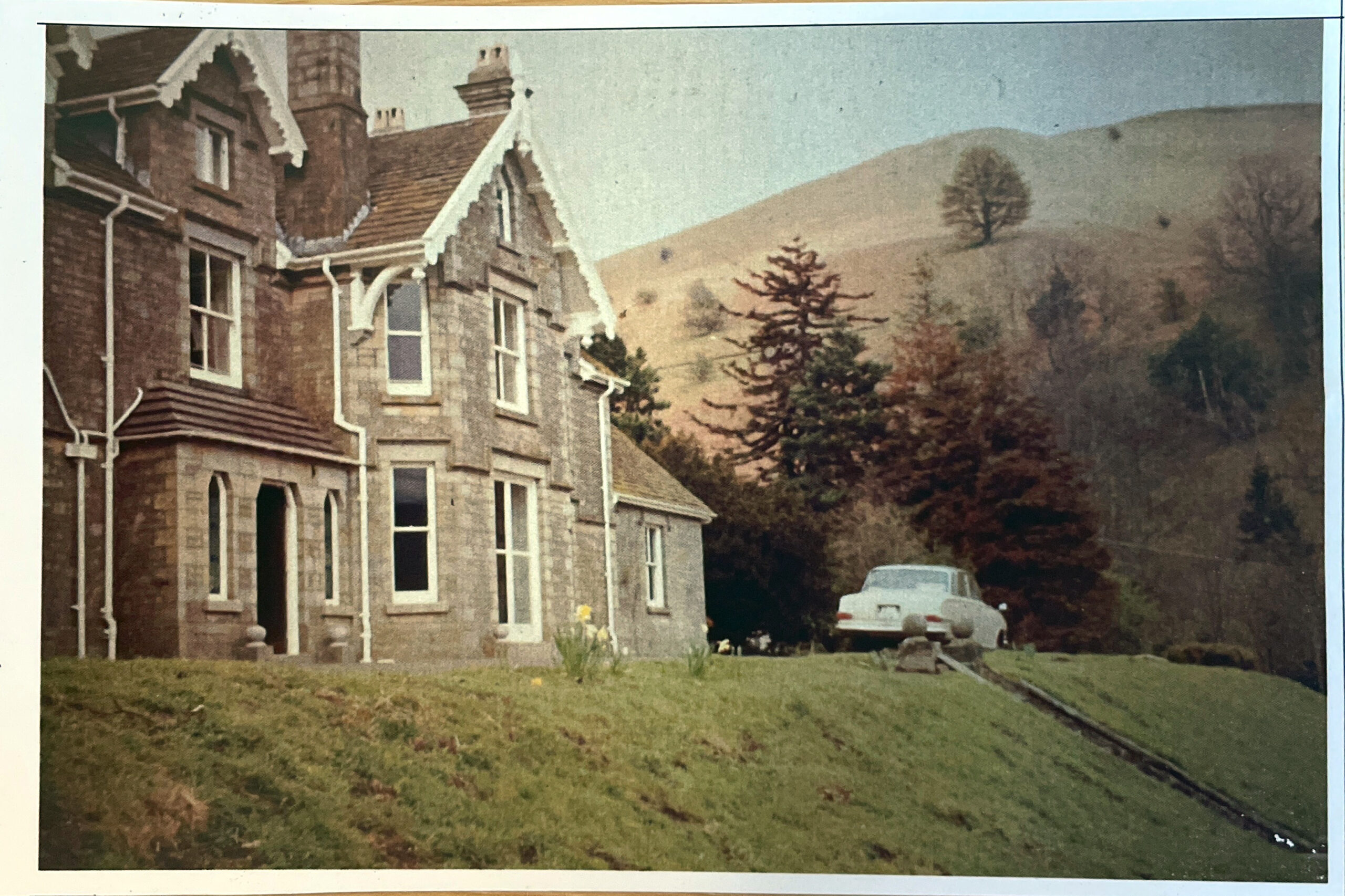
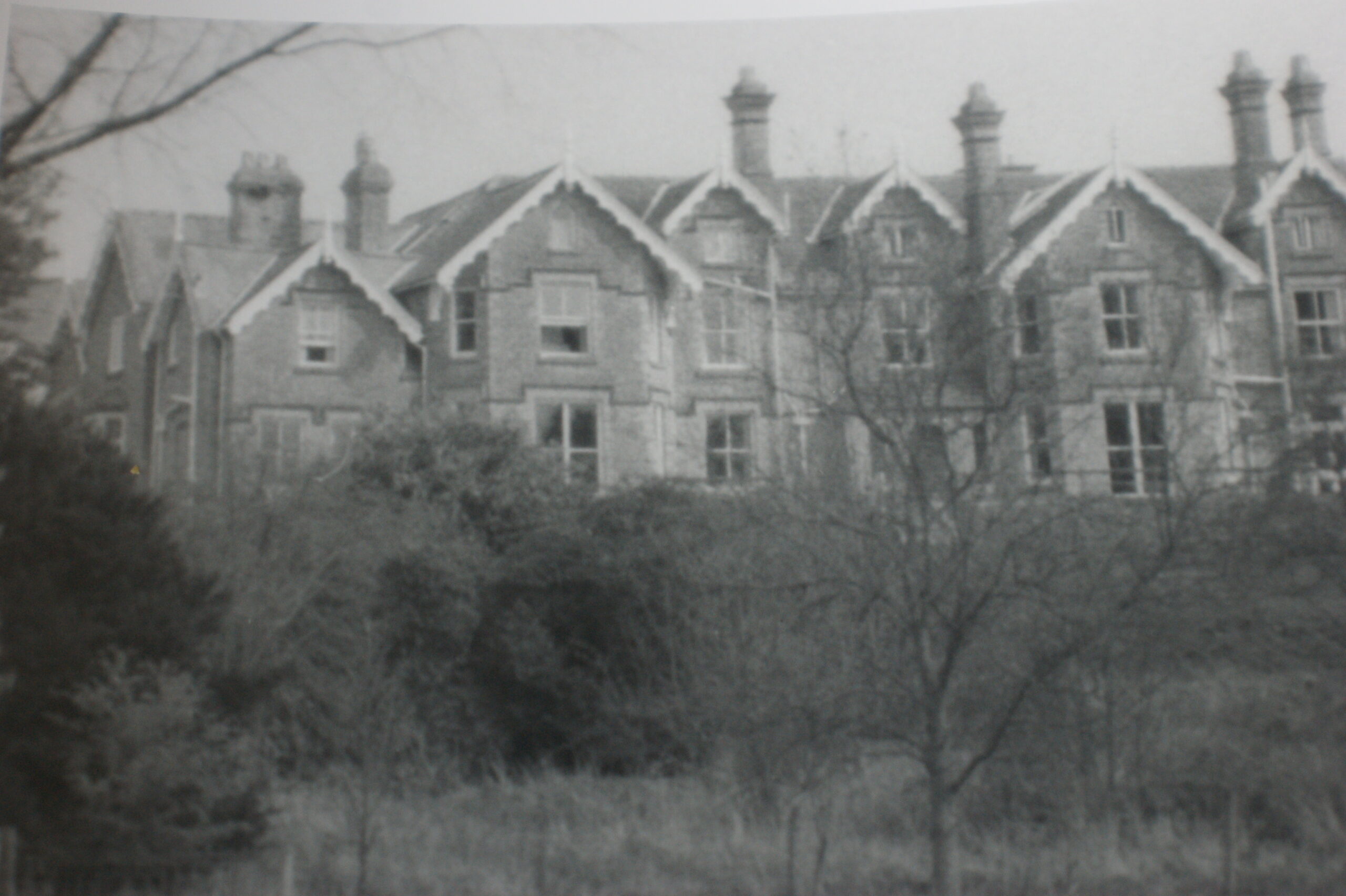
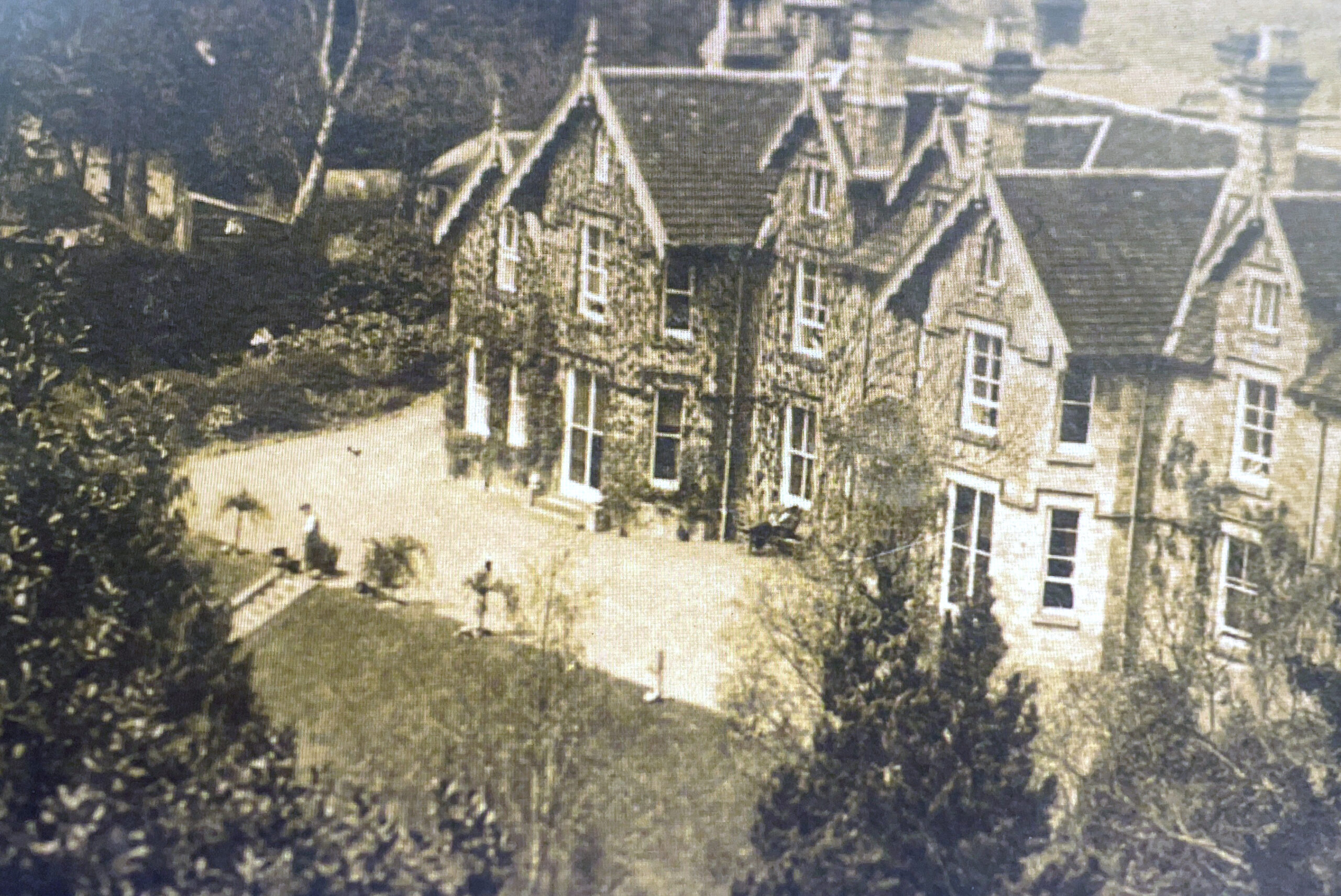
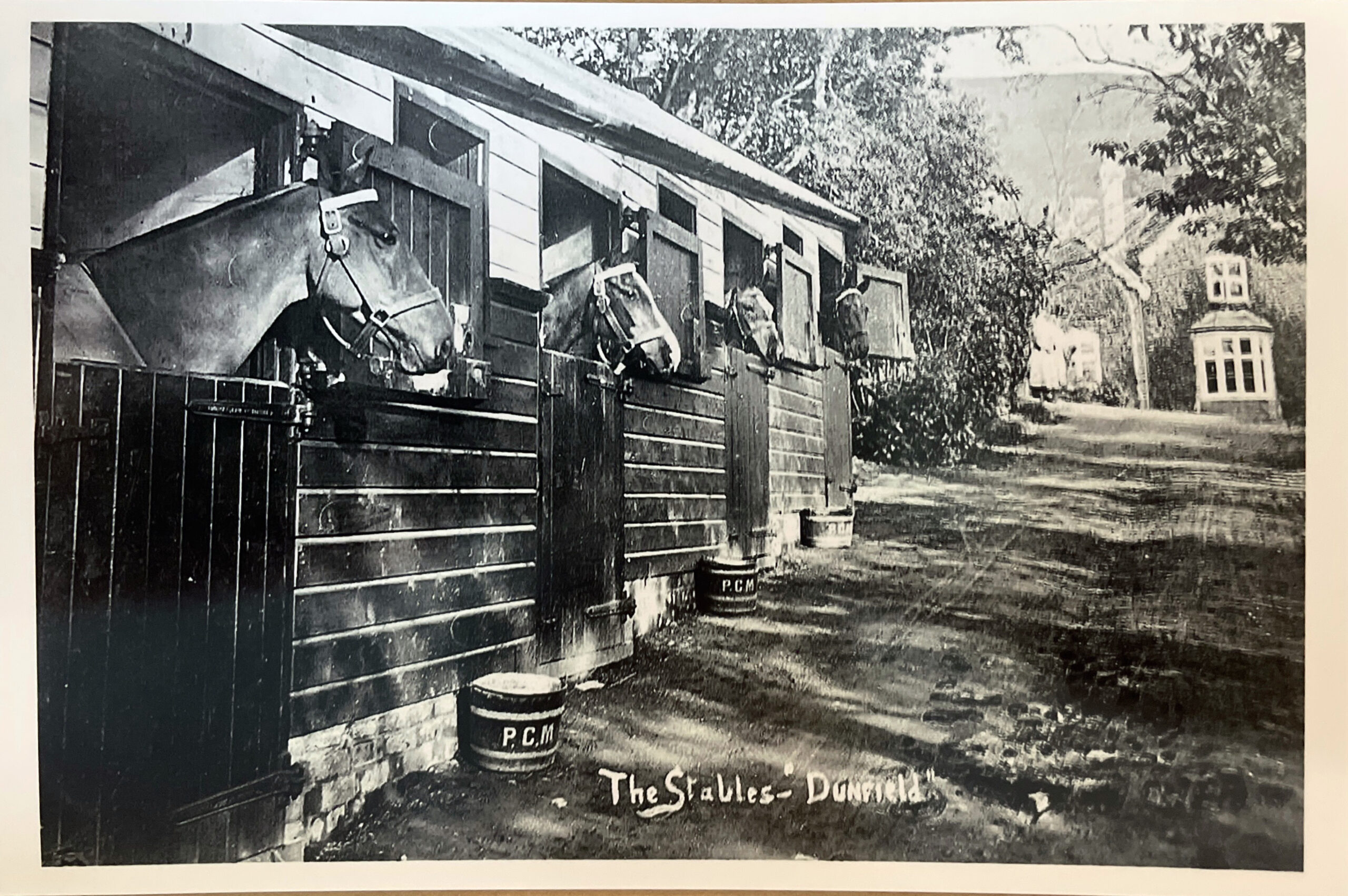
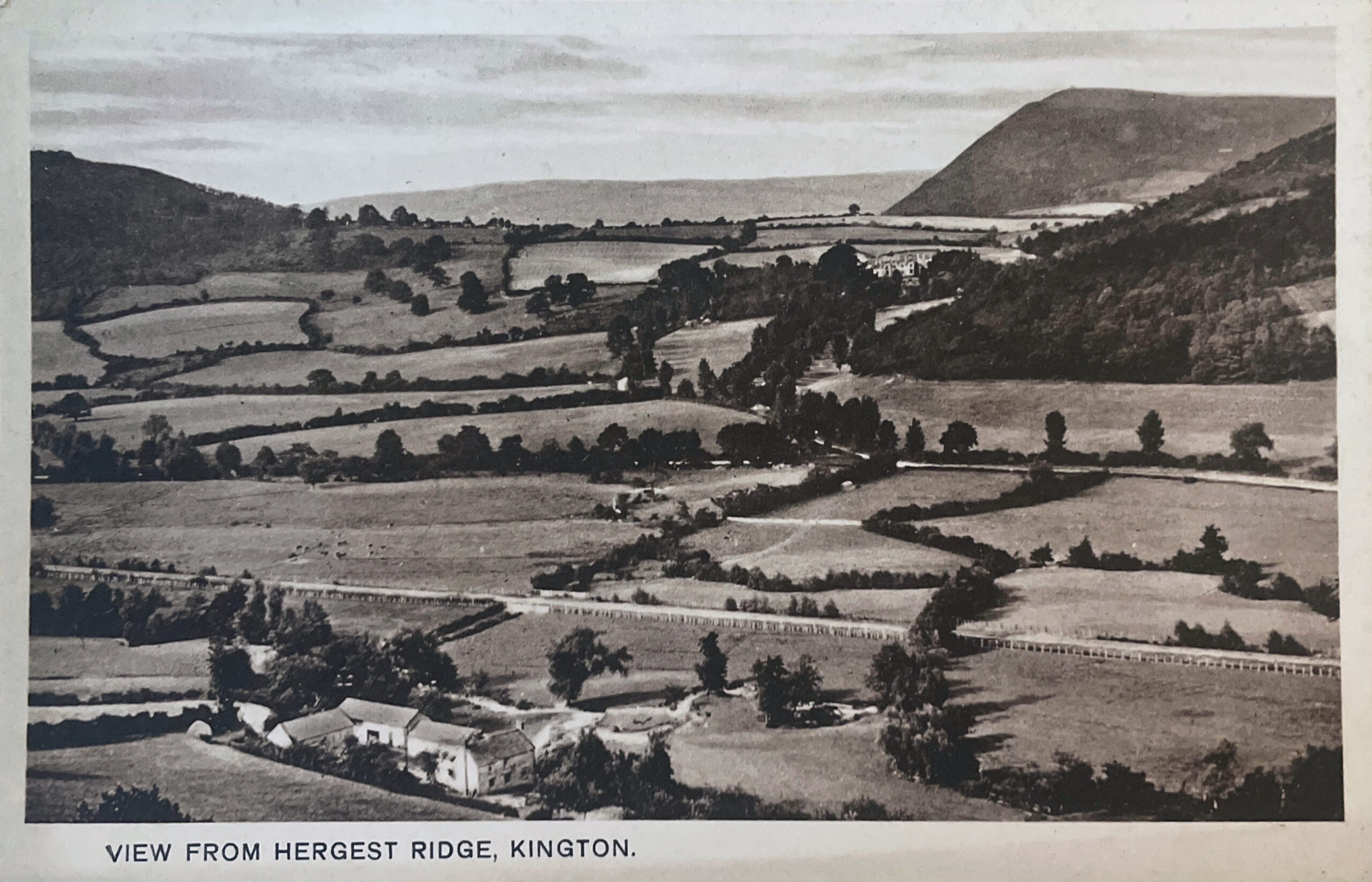
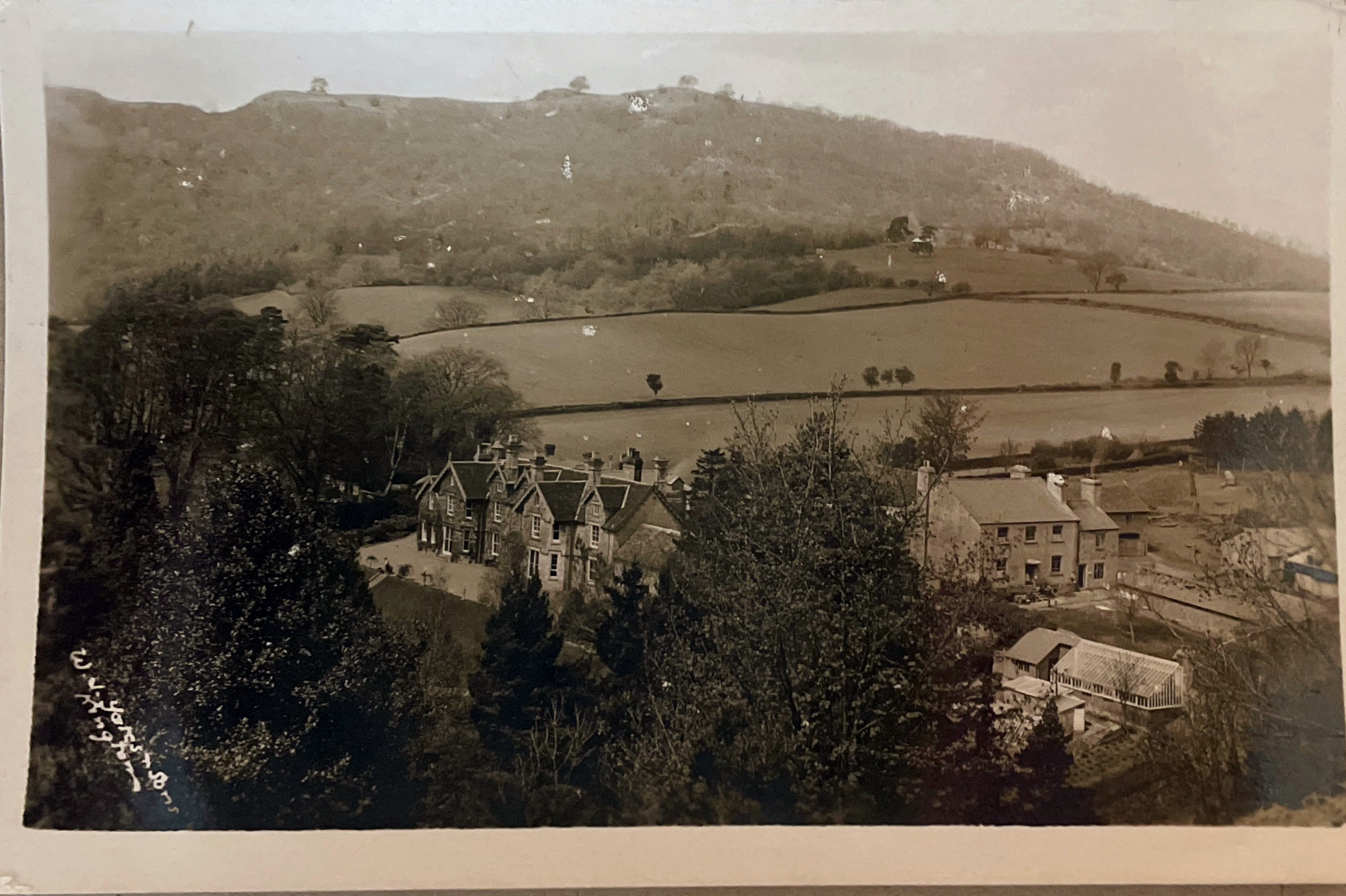
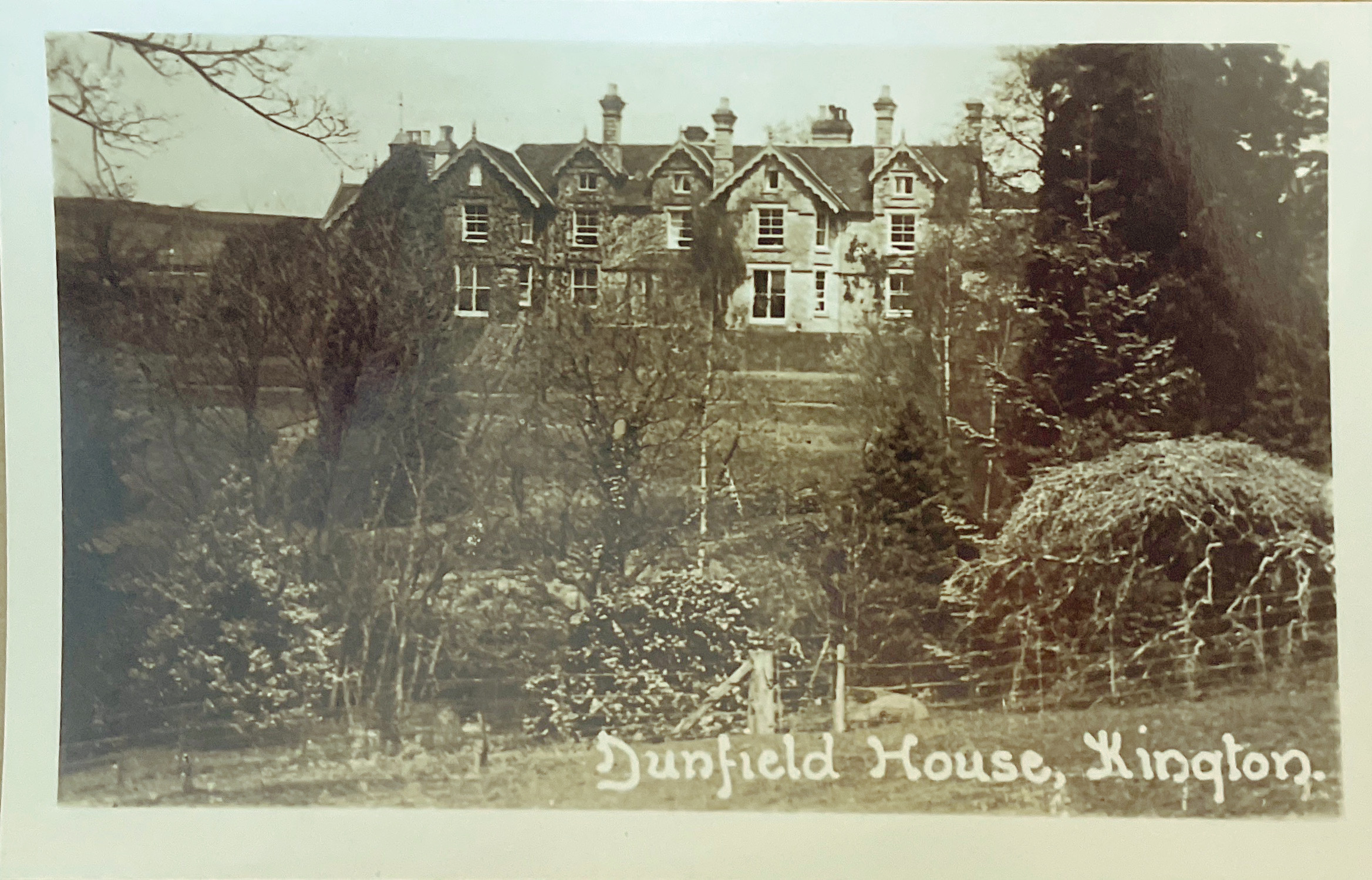
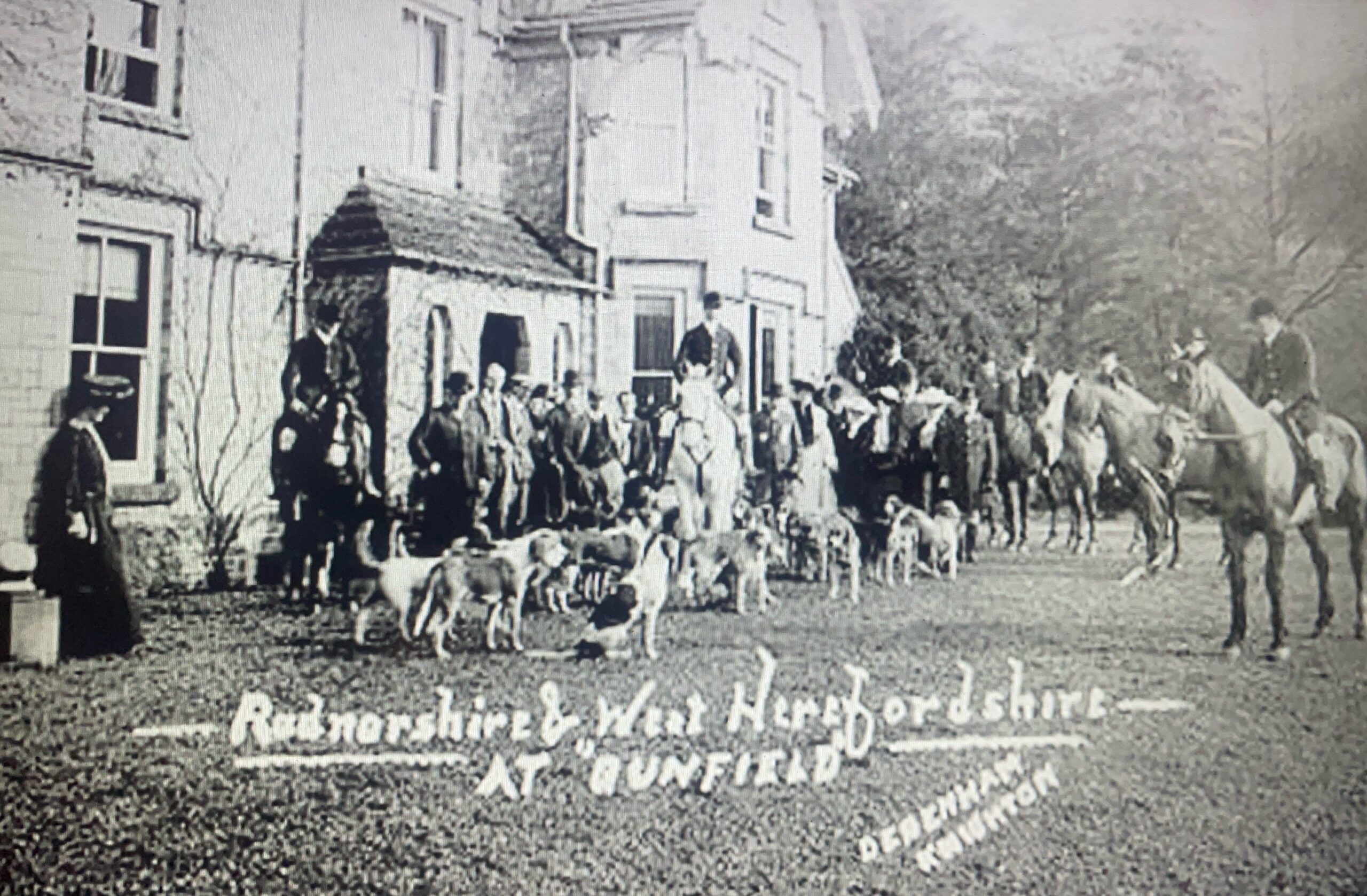
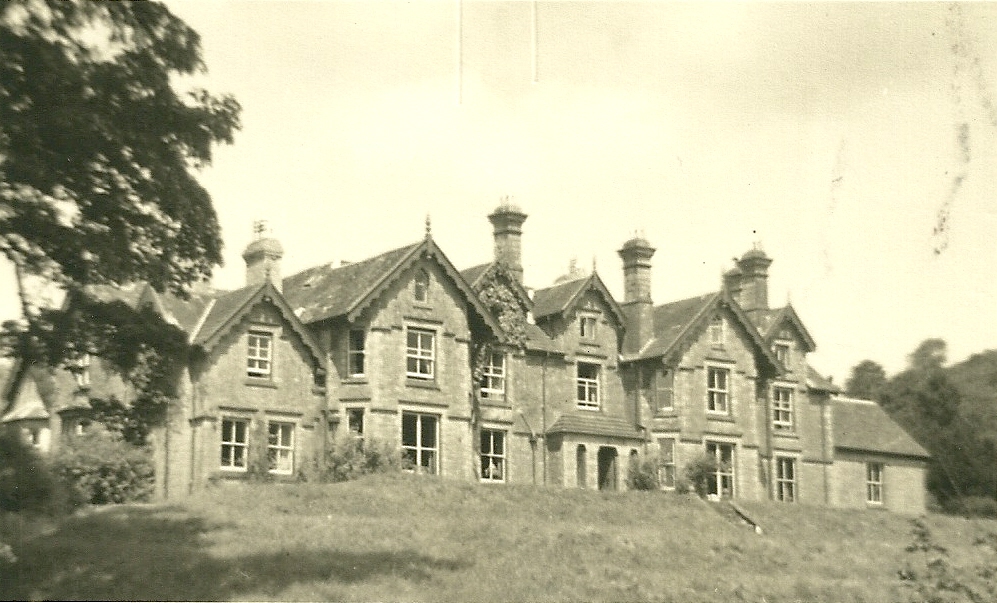
The Dunfield story is a historical honeycomb of tales stretching from the reign of Charles I to the present day — inquisitions, wedding feasts, shrouded wartime meetings, and even the possible birth of the Baskerville hound.
Very little is known of the house's earliest years, but what follows is over 400 years of it, laid out chapter by chapter.

The Power of the Crown
It is 1586 — forty-nine years after the Reformation — and political and religious storm clouds loom heavy over the country. Under the reign of Queen Elizabeth I, tensions between the Church of England and Catholicism run high.
An inquisition takes place into the ownership of Dunfield, and the current owner, William Shelly, is accused of treason on account of his Christian belief — a spurious charge he is helpless to oppose. The law speaks: Dunfield becomes property of the Crown.
Shelly is stripped of ownership until his death. Only then is justice restored, and his wife Jane Lingen becomes the rightful owner — setting Dunfield's history on a new path.
Sanctum — A Haven From Turmoil
Elizabeth I's reign ends with her death in 1603. New tenants, the Bull family, take up occupancy of Dunfield — or "Downfield" as it's known at the time. Records are vague, but we know George Bull went on to become Bishop of St David's.
The family, and the house, survive two of history's most wretched passages: the Plague sweeps the land with no pity, and in 1642 the English Civil War breaks out — nine long, blood-soaked years between Roundheads and Cavaliers.
Tucked under the apron of Bradnor Hill, Dunfield remains an uncorrupted sanctuary, letting the pale horse of destruction ride by.


A Quiet Century
Records of the 1700s are vague. We know that in 1730 a Mr Price purchased Dunfield from the Bull family, but little else about him — not even whether he had a family. The Plague was no longer prevalent, and for the first half of the century Britain was largely free of war on the continent.
The wealth of the country, though, was unevenly spread — something the writer Daniel Defoe captured in his seven categories of prosperity:
Defoe's seven categories of prosperity
- The great, who live profusely
- The rich, who live plentifully
- The middle sort, who live well
- The working trades, who labour hard but feel no want
- The country people, farmers etc, who fare indifferently
- The poor, who fare hard
- The miserable, who really pinch and suffer want
We don't know which category Mr Price fell into (most likely 2 or 3) — but Dunfield survived. By 1756, war had broken out again with France, yet Kington and Dunfield carried on regardless: crops gathered, apples turned to cider, rural life undisturbed.
A Handsome Gothic Residence
The Victorian age arrives, and Dunfield is advertised as a "Handsome Gothic Residence." Around 1830, Henry Miles purchases the house — then called "Downfield" — and sets to work enlarging and improving it, rebuilding its walls in stone, wattle and daub, and slating the roof anew.
Miles was said to have a benevolent heart: riding home one January 1st, he encountered a group of poor, aged travellers and supplied them with beef, bread, and prime soup. His daughter Georgina was married at Dunfield in a lavish ceremony — and weddings have been part of the house ever since.
When Miles died in 1865, aged 71, he left an estate of over 1,200 acres — worth around £13.5 million today.

Unquiet Slumbers
A century that encapsulates both the excellence and brutality of mankind begins. Mr Godfrey Biggs holds the tenancy until 1909, followed by Major Charles E.E. Halstead and his two daughters. In 1914, Henry Arthur Hugh Miles becomes owner, with the Major's family remaining as tenants.
Then, on 28th September 1922, the Major and his family suddenly leave — an auction sells off his furniture, hunting gear, and household effects. And then the house falls silent.
Hot suns and bladed frosts rupture her frame. Then, on 10th October 1929, Phyllis Bromage purchases the house for £3,450. Water is later diverted to keep the ornamental lake stocked for the Bromage boys' summer punting — and Dunfield begins to take shape again, just as ominous clouds gather over Europe.

New Horizons — 1939 to Today
Did Churchill plan D-Day at Dunfield?
From 1939 to 1945, the House was requisitioned by the War Office. British officers were garrisoned in the meadow, and later American officers — rumoured to be Black officers, at a time when racial segregation was still much in evidence — were housed at Dunfield.
Towards the end of the war, it was general knowledge — though never confirmed — that Winston Churchill stayed at Dunfield for high-level D-Day planning. General Patton was seen in the area, and rumour has it General Eisenhower attended the same meeting. One story tells of a canteen of cutlery, bought for Churchill, that got locked in the house safe so firmly that the back wall had to be broken down to retrieve it.
Browse the decades
Deed of gift, and a sale after divorce
In 1941, Dunfield is given to Phyllis Bromage by her husband James as a deed of gift. On 30th December 1946, now divorced, she sells the house to Col. Robert Jebb Few for £4,500 — who later installs electricity at both Dunfield House and Dunfield Farm.
A mortgage, and a new tenant
1950 — Col. Few takes out a mortgage of £3,000, paid off by October 1952.
1958 — Few leases Dunfield to Miss Iris Emily Poole and moves to Bircher Court, Titley.
Bankruptcy, a sale, and the Church of Christ arrives
1960 — Miss Poole is declared bankrupt after trying to run Dunfield as a Country Guest Hotel. Col. Few repossesses the house. Around this time, three new residents — Mrs Frodsham and Mr & Mrs Smith — turn Dunfield into a guest house billed as "Guest House with a Difference," 5 guineas a week, "your comfort and satisfaction our first consideration."
1963 — Col. Few sells Dunfield to Albert Edward Burns for £7,500.
1965 — Burns sells to the church now known as Community of Christ, who develop it into a conference centre. William and Mary Coates become the first Managers.
1966–69 — The Recreation Hall is purchased in sections from Wiltshire and completed; the first Overseas Youth Service Corps arrives; Children's Holiday Camps begin.
A pool where the cottage garden stood
1971 — The Coates family live in the House until their cottage is ready.
1975 — The outdoor swimming pool is completed on the site of the old cottage gardens; the Mews (Stables) gain showers, toilets, and three bedrooms.
The Stables come into their own
1980 — Dunfield House Dedication Service is held.
1982–85 — A major Stables conversion is completed by local Kington firm Ernist Deacon; the Recreation Hall is granted Permanent Building Status.
A new pool, and 30 years of service
1994 — The indoor swimming pool opens; Fred Crane is appointed Manager.
1995 — Bill and Mary Coates retire after 30 years of service.
1997–98 — The first Adult Rally is held; the Adventure Playground is built.
1999 — The Dunfield Charity and Dunfield House Limited commence trading on 1st April.
Sue and Paul, then the present team
The chapel's glass window is created, and the first Eurotribe is held. In 2005, Sue and Paul Norton are appointed Managers, overseeing the Stables' final development and a new Biomass Boiler over 15 years of service.
Dunfield then passes to Alison and Daniel Hawthorne (2021–2022), living on site with their two boys, Owen and Adam.
Today, Dunfield is run by Nicole Kinsey as Operations Manager, with Sally Leitch as Business Manager and Mike Byrne as Estate Manager — each having worked their way up through the house over the years.
We hope you've enjoyed this distilled embrace of Dunfield's diverse history and survival — its undeniable rise to present-day glory, and its passionate declaration of…